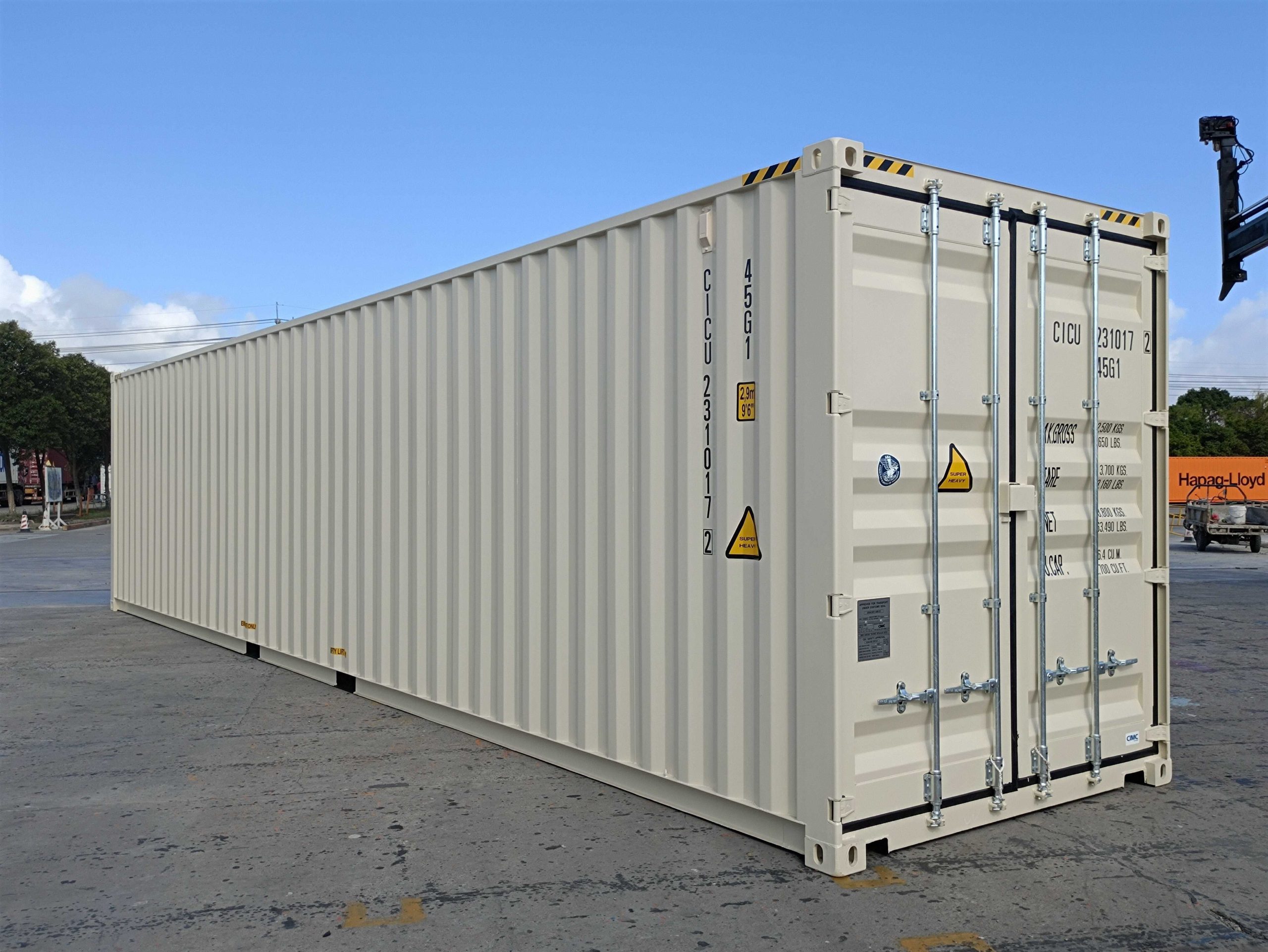
Understanding the Size of a 20ft Shipping Container
When it pertains to shipping and carrying items, the container's size is a crucial element that requires careful factor to consider. Among the numerous standardized container sizes, the 20ft container stands out as one of the most typically utilized key ins worldwide shipping. This blog site post dives into the dimensions, capability, and applications of a 20ft shipping container.
Dimensions of a 20ft Container
A standard 20ft container is designed to adhere to ISO (International Organization for Standardization) policies, offering an uniform requirement that helps with easy transport across different methods of transportation, consisting of trucks and ships. The dimensions of a standard 20ft container are as follows:
| Dimension | Measurement |
|---|---|
| External Length | 20 feet (6.058 meters) |
| External Width | 8 feet (2.438 meters) |
| External Height | 8.5 feet (2.591 meters) |
| Internal Length | 19.4 feet (5.898 meters) |
| Internal Width | 7.7 feet (2.352 meters) |
| Internal Height | 7.9 feet (2.391 meters) |
Capacity
A 20ft container has a versatile capacity that makes it suitable for a range of cargo, ranging from textiles to equipment. When evaluating its capability, 2 main factors enter play: volume and weight.
| Spec | Measurement |
|---|---|
| Volume | 1,172 cubic feet (33.2 cubic meters) |
| Maximum Payload | Roughly 28,000 pounds (12,700 kg) |
These numbers highlight that a 20ft container can accommodate a significant amount of cargo, making it an efficient choice for medium-sized shipments.
Why Choose a 20ft Container?
There are numerous factors why businesses and individuals go with a 20ft container. Here are some crucial advantages:
- Versatility: The 20ft container can be utilized for a large range of products-- from pallets of items to larger machinery and equipment.
- Cost-effectiveness: For smaller sized shipments, making use of a 20ft container can be more economical than bigger container choices. This is especially essential for companies seeking to handle costs successfully.
- Transport Efficiency: The standardized size enables seamless transport through trucks, trains, and ships, lowering the intricacy associated with different container sizes.
- Storage Solutions: A 20ft container can work as a reliable storage service for services needing additional space for inventory or devices.
- Business and Residential Use: Beyond shipping, 20ft containers are significantly being used for on-site workplaces, pop-up retail spaces, and even homes due to their robust structure.
Common Uses for a 20ft Container
Here are some typical applications of 20ft containers:
- International Shipping: Ideal for carrying products across oceans and borders, especially for businesses associated with e-commerce.
- On-Site Storage: Construction sites typically utilize containers for equipment and product storage to minimize theft and weather exposure.
- Modular Offices: Portable office services are ending up being the norm, with many companies utilizing customized containers as short-term or long-term office.
- Event Management: Many event organizers employ containers for ticketing booths, concession stands, or as back-of-house assistance.
Frequently Asked Questions (FAQs)
1. Just how much can a 20ft container hold?
A standard 20ft container can bring a maximum payload of roughly 28,000 lbs (12,700 kg) and can consist of around 1,172 cubic feet (33.2 cubic meters) of cargo.
2. 20 Ft Shipping Container be carried by air?
Normally, 20ft containers are not ideal for air transportation due to their size. Air cargo typically embraces smaller packages due to weight and area constraints in airplane.
3. What is the expense associated with shipping a 20ft container?
Shipping expenses can vary depending upon various aspects such as the shipping range, location port, and shipping company. Typically, it can range from ₤ 1,000 to ₤ 2,500 for worldwide shipping.
4. Exist adjustments offered for 20ft containers?
Yes, many shipping business and makers provide customized modifications for containers, such as windows, insulation, electrical circuitry, and ventilation for a variety of uses.
5. What is the difference between a standard and high cube 20ft container?
While both are 20ft long, a high cube container is taller, with an external height of 9.5 feet (2.896 meters) compared to the standard 8.5 feet (2.591 meters), providing extra volume for cargo.
The 20ft shipping container is a versatile, efficient solution for different transport and storage requirements. Its standardized dimensions, adequate capability, and cost-effectiveness make it an integral part of the logistics and shipping industries. Whether you're a business in need of efficient shipping or an individual searching for innovative storage options, the 20ft container is unquestionably an appropriate option. Comprehending its size and capability can assist you make informed decisions to optimize your logistics operations or personal jobs.